
How to Use a Community Book Box as a Blessing Box
A community book box can also be used as a blessing box to share food, hygiene products, and everyday essentials with neighbors. A simple, accessible outdoor box can support local generosity, reduce barriers to giving and receiving, and strengthen community connections.
COMMUNITY SHARING
The HAVLYN Team
5/4/20264 min read
How to Use a Community Book Box as a Blessing Box
A Simple Way to Share More Than Books
A community book box is often created to share stories, encourage reading, and bring neighbors together. But in many communities, the same simple idea can serve another meaningful purpose: helping people share everyday essentials.
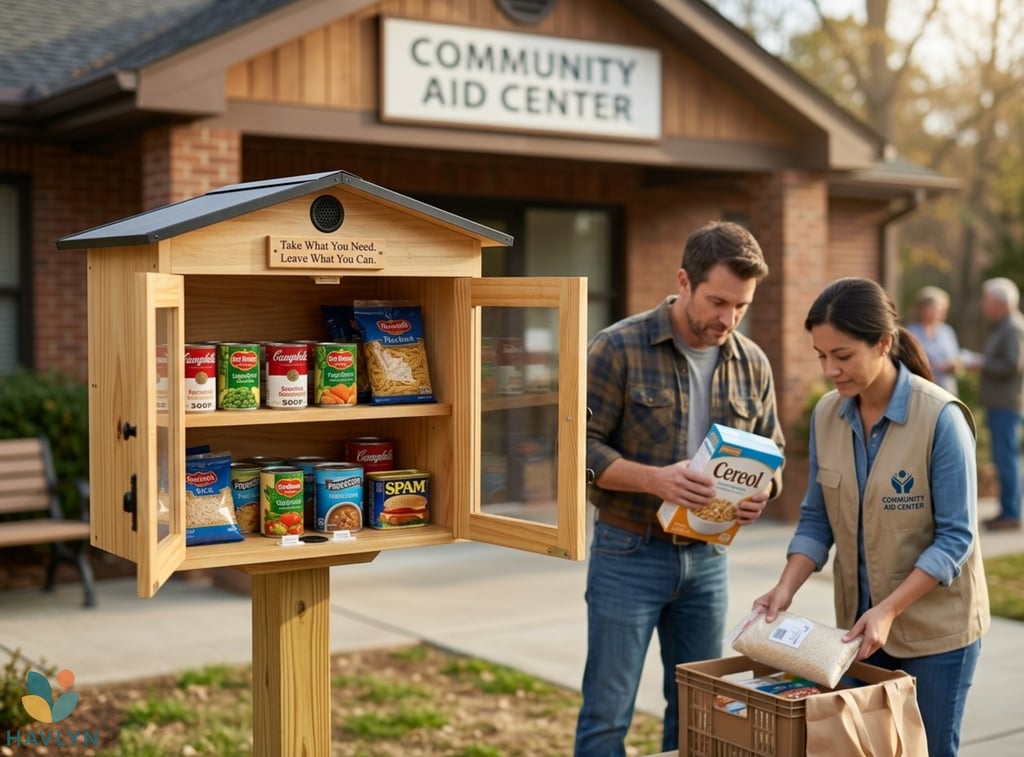
A blessing box is a small outdoor sharing box where people can leave items for others to take freely. It is often filled with non-perishable food, hygiene products, baby supplies, or other basic necessities.
The idea is simple: take what you need, leave what you can.
For many neighborhoods, a blessing box becomes more than a container. It becomes a quiet, practical sign that people care for one another.
What Is a Blessing Box?
A blessing box is a small, accessible outdoor pantry. It is usually placed in a front yard, outside a church, near a community center, or in another visible and safe location.
Unlike a traditional food pantry, a blessing box is often available at any time of day. There is no appointment, no paperwork, and no need to explain why help is needed. Someone can simply walk up, take what they need, and continue with their day.
That simplicity is part of what makes the idea powerful. A blessing box can help someone who needs a quick meal, a parent who is missing one essential item, or a neighbor who wants to give but does not know where to start.
Why Blessing Boxes Matter to a Community
A blessing box will not solve food insecurity by itself. It is not meant to replace food banks, community programs, or long-term support systems.
But it can fill a real gap.
Many people need help between pantry visits, outside normal opening hours, or during a difficult week. Others may feel uncomfortable asking for assistance directly. A small outdoor box makes giving and receiving easier, more private, and less intimidating.
It also gives neighbors a simple way to participate. Someone may not have time to volunteer every week, but they can place a few cans, hygiene products, or baby supplies in the box when they are able.
Over time, this creates a rhythm of community care. People notice what disappears quickly, learn what is needed most, and begin to think not only about what they can take, but also what they can give.
What Can You Put in a Blessing Box?
The best items are useful, safe, and easy to store outdoors.
Good options include:
Canned soup, vegetables, beans, pasta, or tuna
Boxed pasta, rice, oatmeal, or cereal
Granola bars, crackers, peanut butter, or shelf-stable snacks
Toothpaste, toothbrushes, soap, shampoo, deodorant, or toilet paper
Baby wipes, diapers, or feminine hygiene products
School supplies, small notebooks, or children’s items
Choose items that are unopened, clean, and not expired. Avoid anything that can spoil, leak, melt, or break.
Glass containers are usually best avoided because they can break. In very hot or very cold weather, be careful with items that may be damaged by temperature changes.
Can a Book Box Be Used as a Blessing Box?
Yes, in many cases, a community book box can also be used as a blessing box, especially if it is weather-resistant, easy to access, and large enough to hold different types of items.
A box with an adjustable shelf is especially useful because it allows you to organize the space depending on what you want to share. You can use one section for books and another for food or hygiene items, or adjust the shelf height to fit taller items such as cereal boxes, paper goods, or larger supplies.
This is one reason the HAVLYN Community Book Box works well for projects that go beyond books. Its adjustable shelf makes it easier to adapt the box to different community needs while keeping the setup simple and organized.
Some people start with books only. Others add a small section for pantry items. Some eventually turn the box fully into a blessing box. The best approach is the one that fits your neighborhood.
Choose the Right Location
Location matters. A blessing box should be visible, safe, and easy to reach.
A front yard, church entrance, school area, community center, or small business location can work well if the property owner agrees. The box should not block sidewalks, driveways, mailboxes, or public access.
Try to place it somewhere people can use it comfortably and with dignity. Avoid locations where someone would feel too exposed, unsafe, or forced to stand in traffic.
If the box is installed on a post, remember to call 811 before digging in the United States so underground utility lines can be marked before installation.
Keep It Simple and Respectful
A blessing box works best when the message is clear and welcoming.
A simple sign is enough:
Take what you need. Leave what you can.
Avoid making the rules feel strict or judgmental. People should feel comfortable using the box whether they are giving, receiving, or both.
It is also helpful to check the box regularly. Remove expired or damaged items, clean the inside when needed, and make sure the door closes properly. A well-maintained box shows respect for everyone who uses it.
Start Small and Let the Community Help
You do not need to fill the box perfectly from the beginning. Start with a few useful items and see how your community responds.
You may notice that certain items disappear quickly. That tells you what people actually need.
You can also invite neighbors, friends, school families, or local groups to help stock the box. Many people want to contribute to their community but appreciate having a simple, direct way to do it.
A blessing box turns generosity into something visible and easy to act on.
Final Thoughts
Using a community book box as a blessing box is a simple way to share more than books. It can help provide everyday essentials, reduce barriers to giving and receiving, and create a stronger sense of connection between neighbors.
It does not need to be perfect. It just needs to be safe, accessible, respectful, and cared for.
A small box placed with good intentions can become a meaningful part of community life — one book, one meal, or one act of kindness at a time.
To learn more about our commitment to community projects, visit the HAVLYN Community Sharing Box Initiative