
How to Be a Great Community Book Box Steward
A good community book box steward keeps the library clean, organized, welcoming, and filled with a healthy variety of books for different readers. Simple habits like rotating books, storing surplus donations, removing damaged or inappropriate items, and placing children’s books within easy reach help keep the box active and useful over time.
CARE & MAINTENANCE
The HAVLYN Team
5/11/20265 min read
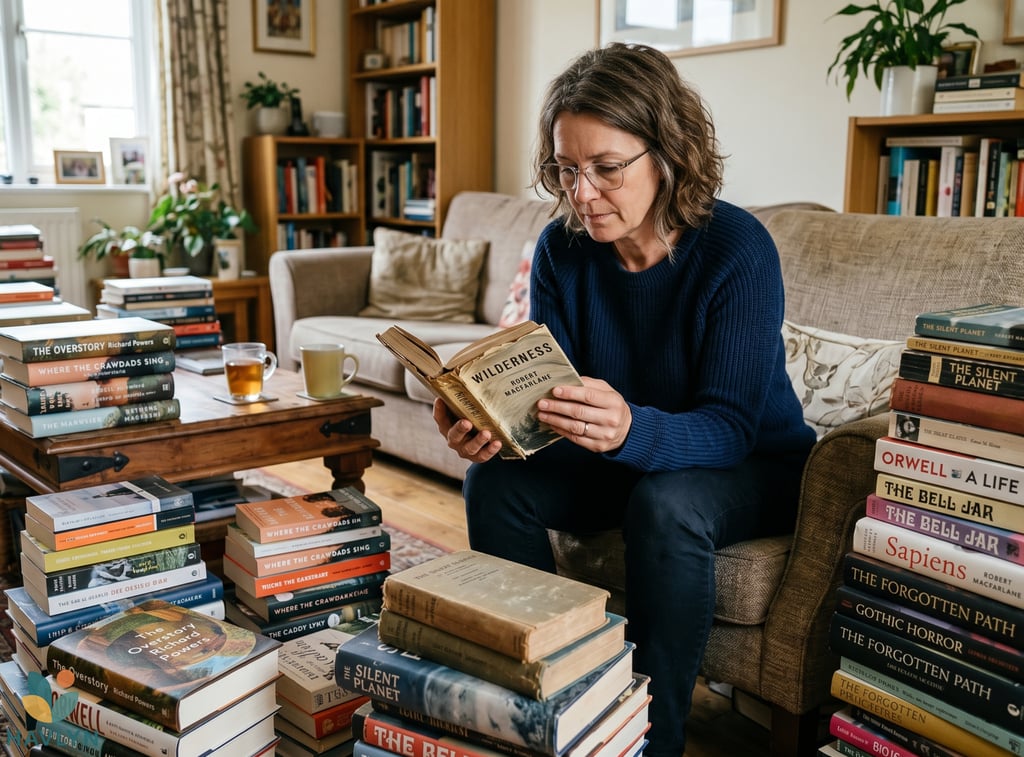
How to Be a Great Community Book Box Steward
Simple Ways to Keep Your Library Fresh, Welcoming, and Useful
Starting a community book box is exciting. But keeping it alive over time is where the real work — and the real reward — begins.
A good steward does more than install a box and wait. The steward keeps the library clean, inviting, organized, and useful for the people who visit it. That does not mean controlling every book or managing it like a formal library. It means creating a simple, welcoming place where books move, readers discover something new, and the community feels encouraged to participate.
The good news is that stewarding a community book box does not need to be complicated. A few easy habits can make a big difference.
Keep a Healthy Variety of Books
A strong community book box offers something for different readers.
Try to include a mix of children’s books, novels, biographies, cookbooks, poetry, nonfiction, and local-interest books. If your neighborhood has many families, children’s books may move quickly. If your box is near a walking path or adult community, novels, mysteries, memoirs, and practical nonfiction may be more popular.
The best mix depends on your location. Pay attention to what disappears quickly and what stays untouched for weeks. Your visitors will show you what they enjoy.
Avoid filling the entire box with only one category. A shelf full of outdated textbooks, old magazines, or one very specific genre is less inviting than a balanced selection.
Rotate Books Regularly
Book rotation keeps the library feeling alive.
If the same books sit inside for too long, visitors may stop checking. Every week or two, take a quick look and move things around. Place newer or more attractive titles at eye level. Remove books that have clearly not interested anyone for a long time and replace them with something different.
You do not need to remove every slow-moving book immediately. Some books simply need the right reader. But if a title has been sitting there for a month or more and the box is full, it may be time to move it elsewhere.
You can donate slow-moving books to another community book box, a thrift store, a school, a church sale, or a local organization that accepts book donations.
Place Children’s Books Where Kids Can Reach Them
Good organization makes the box easier to use.
Children’s books should usually go on the lower shelf so young readers can see and reach them safely. Picture books and larger books often fit better below as well, especially if they are taller or heavier.
Adult books can go higher, with spines facing outward. A clean, bookstore-style display is much more inviting than piles of books stacked sideways.
If your book box has an adjustable shelf, use it to create clear sections: children’s books below, adult books above, or fiction on one level and nonfiction on another. The goal is not perfection. The goal is to make browsing simple.
Store Surplus Books at Home
A common steward problem is having too many books.
That sounds like a good problem, but an overfilled box can become messy and less attractive. Books can get bent, damaged, or difficult to remove. Visitors may also hesitate to add new books if there is no space.
Keep only a clean, browsable selection inside the box. Store extra books at home in a bin, shelf, or closet, then refill gradually when the box needs it. Little Free Library also suggests using a garage shelf or storage bin when a book-sharing box receives too many donations.
This gives you more control over quality and variety. Instead of stuffing every donation into the box at once, you can rotate books over time.
Remove Damaged Books
A community book box should feel cared for.
Remove books with missing pages, torn covers, water damage, heavy writing, mold, stains, or strong odors. A damaged book sends the message that the box is a dumping place, not a sharing place.
Books in poor condition can sometimes be recycled, depending on your local recycling rules. Some areas accept paperback books but not hardcovers unless the covers are removed. Check your local recycling program before placing books in the bin.
Do not feel guilty about removing unusable books. Keeping the box clean and welcoming is part of your role as steward.
Handle Offensive or Inappropriate Books Thoughtfully
Sooner or later, someone may place a book inside that does not fit your community book box.
This could include adult content in a family-friendly location, heavily political material, graphic content, unsafe materials, or items that are clearly not books. If your box is near a school, church, playground, or family area, you may want to be especially careful.
A simple sign can help set expectations:
Please share clean, family-friendly books in good condition.
Little Free Library notes that stewards are responsible for basic care and maintenance, while communities help keep boxes stocked with good books. That balance is important: you are not trying to police every reading choice, but you can remove items that are unsafe, damaged, or clearly inappropriate for your location.
When in doubt, think about your audience. A box outside an elementary school should not be managed the same way as one outside a private home used mainly by adults.
Keep the Box Clean and Easy to Browse
A quick five-minute check once a week can prevent most problems.
Wipe the window or acrylic doors, remove dirt and leaves, straighten the books, and make sure the door closes properly. Check for damp books after heavy rain and remove anything that could affect the rest of the collection.
Do not overcrowd the shelves. One neat row of books is usually better than a packed box where nothing is easy to see.
A clean, organized box encourages better donations. People are more likely to leave good books when the library already looks cared for.
Encourage Good Sharing Habits
A community book box works best when people understand the spirit of the project.
You can use a short message such as:
Take a book. Share a book. Keep stories moving.
If you notice that the box is being emptied too often, avoid sounding angry or suspicious. Most people use book-sharing boxes with good intentions. But if you suspect repeated resale or misuse, Little Free Library suggests options such as stamping books or marking them to reduce resale value.
A friendly reminder is usually enough:
Please take one or two books at a time so more neighbors can enjoy them.
Keep the tone generous. The purpose is to share books, not create strict rules.
Learn from Your Community
Every book box develops its own personality.
Some become children’s book stops. Some become mystery novel exchanges. Some attract cookbooks, gardening books, local history, or seasonal reads. The best stewards watch and adjust.
If children’s books disappear quickly, add more. If old hardcovers never move, rotate them out. If neighbors leave excellent donations, thank them in a local group or with a small note inside the box.
You can also use themes to keep things fresh: summer reads, back-to-school books, holiday stories, banned books week, local authors, or “staff picks” from neighbors.
Final Thoughts
Being a community book box steward is not about perfection. It is about care.
Keep the box clean. Offer a healthy variety of books. Rotate titles regularly. Store extra donations. Recycle damaged books. Place children’s books where children can reach them. Remove items that do not fit the spirit or audience of your box.
Small habits make the library feel alive. And when a book box feels alive, people come back — to read, to share, and to be part of something simple but meaningful.